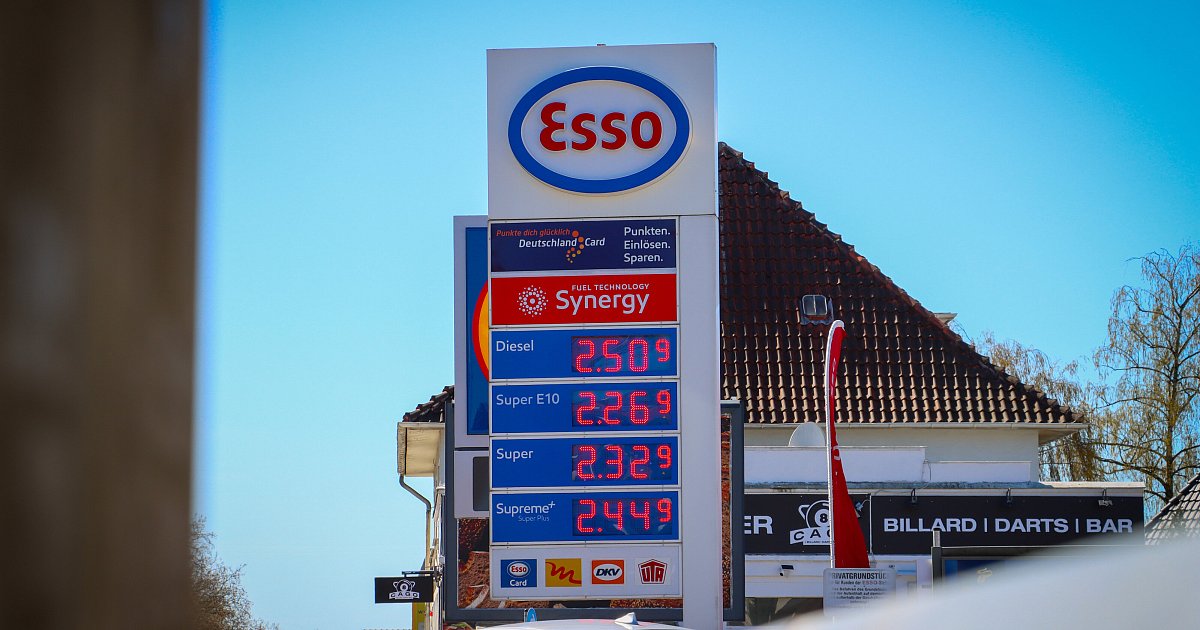
Navigating the Volatile World of Fuel Prices in Gütersloh: A Comprehensive Guide for Drivers and Communities
The price at the pump is a constant concern for drivers across Germany, and Gütersloh is no exception. Whether you're commuting to work, running errands, or supporting local sports, the fluctuating cost of petrol and diesel directly impacts your wallet. In recent times, these escalating fuel costs have become more than just a minor inconvenience; they've transformed into a significant financial burden, prompting local communities and organizations, such as the
Handballkreis Gütersloh, to seek innovative solutions to support their members. Understanding the dynamics behind these price shifts and adopting smart fueling strategies is essential for everyone, from individual motorists to vital community groups managing their "handballkreis gütersloh spritpreise" – the fuel costs for their handball district.
Understanding Fuel Price Dynamics in Gütersloh
For most motorists in Gütersloh, the frequent, sometimes hourly, changes in fuel prices can feel arbitrary. However, since September 1, 2013, a significant step was taken towards market transparency in Germany. Fuel providers are now legally obligated to make their pricing public. This measure aims to empower consumers, allowing them to compare prices effectively and drive to the most affordable filling station in Gütersloh at any given moment.
This transparency has revealed clear patterns. From a consumer perspective, it’s easier to track when and where you can fill up for less. A widely recognized rule of thumb suggests that fuel prices are typically highest in the early morning hours. As the day progresses, prices tend to decrease, reaching their lowest point in the evening, usually between 6 PM and 9 PM. During the night, prices often climb again. This phenomenon can be attributed to reduced competition, as many independent stations close, allowing the remaining open stations to increase their margins. However, it's crucial to remember that individual stations can deviate from this general trend, making real-time information indispensable before you head to the pump in Gütersloh.
The factors influencing fuel prices are multifaceted and extend far beyond local market competition. Global forces play a dominant role:
- Crude Oil Prices: The global price of crude oil is the primary driver, influenced by supply and demand, geopolitical events, and even natural disasters.
- Production Volumes: Decisions by major oil-producing nations or cartels (like OPEC+) regarding production quotas directly impact global supply.
- Worldwide Demand: Economic growth or contraction in major economies (e.g., China, USA) significantly affects global demand for fuel.
- Euro-US Dollar Exchange Rate: Since crude oil is typically traded in US dollars, a weaker Euro against the Dollar means higher import costs for German refiners, which is then passed on to consumers.
- Product Price: This refers to the price of refined petroleum products (like petrol and diesel) on the international spot markets, which can fluctuate independently of crude oil due to refinery capacities or regional demand.
- Taxes and Duties: A substantial portion of the fuel price in Germany consists of energy taxes, VAT, and the CO2 tax, which are fixed components.
- Geopolitical and Economic Developments: Wars, trade disputes, sanctions, and economic crises can all send ripples through the energy markets, directly affecting prices at the pump in Gütersloh and beyond.
Keeping track of all these variables can be challenging for the average consumer. This is precisely why online price comparison tools, often featuring clever proximity searches, have become invaluable for drivers in Gütersloh seeking to pinpoint the cheapest fuel options.
The Impact of Fuel Costs: A Local Perspective from Handballkreis Gütersloh
The repercussions of soaring fuel costs are felt acutely at the grassroots level, nowhere more so than within local community organizations. The
Handballkreis Gütersloh provides a compelling example of how these "spritpreise" directly impact voluntary work and local sports. The rising cost of petrol and diesel places a substantial financial burden on the dedicated volunteers who are the lifeblood of these associations. These individuals often use their private vehicles to transport players to training sessions, away games, tournaments, and other events. When fuel costs skyrocket, these essential journeys become increasingly expensive, sometimes prohibitively so, threatening the very continuity of local sports and cultural activities.
Recognizing this critical challenge, the Handballkreis Gütersloh has demonstrated commendable initiative by actively stepping in to support its volunteers. While the specifics of their assistance might vary, such proactive measures are vital for maintaining the vibrancy of local clubs. This support can take many forms, from partial reimbursement for travel expenses to organizing carpools or seeking sponsorships to offset transportation costs. Such actions underscore the deep commitment within Gütersloh's handball community to overcome financial hurdles and ensure that players can continue to participate and volunteers remain motivated.
The experience of the Handballkreis Gütersloh mirrors that of countless other clubs, charities, and community groups across the country. It highlights how broader economic pressures translate into tangible difficulties for local organizations. It also emphasizes the importance of community resilience and the willingness of local leaders to adapt and provide practical solutions. When considering the local impact of fuel prices, the focus shifts from just personal budgets to the sustainability of the social fabric. For more on local initiatives and financial strategies in response to rising costs, see
handballkreis gütersloh spritpreise - Article 2.
Navigating the Market: Smart Strategies for Saving at the Pump
In an environment where fuel prices are constantly fluctuating, adopting smart strategies is not just about saving money; it's about taking control. For drivers in Gütersloh, leveraging available tools and adopting conscious habits can make a significant difference in their "spritpreise" expenses.
The most immediate and effective strategy is to utilize
online price comparison services. Before you even leave your driveway, a quick check on a reliable platform can show you a map of local filling stations with their current prices. This allows you to identify the cheapest option nearby and time your visit optimally, adhering to the "fill up in the evening" rule of thumb as much as possible. Even a difference of a few cents per liter adds up significantly over time, especially for frequent drivers or those filling larger tanks.
Beyond real-time price checks, several other practical tips can help reduce your fuel consumption:
- Optimize Your Driving Style: Smooth acceleration and deceleration, maintaining a consistent speed, and avoiding aggressive driving can significantly improve fuel efficiency. Anticipate traffic and avoid unnecessary braking.
- Maintain Proper Tire Pressure: Under-inflated tires increase rolling resistance, leading to higher fuel consumption. Check your tire pressure regularly and ensure it matches the manufacturer's recommendations.
- Regular Vehicle Maintenance: A well-maintained engine runs more efficiently. Regular oil changes, air filter replacements, and spark plug checks can all contribute to better fuel economy.
- Reduce Excess Weight: Remove unnecessary items from your car, especially heavy ones. Every extra kilogram requires more fuel to move.
- Limit Air Conditioning Usage: Air conditioning puts an additional load on the engine, increasing fuel consumption. Use it judiciously, especially at lower speeds.
- Plan Your Routes: Combine errands into a single trip to minimize cold starts (when engines are least efficient) and reduce overall mileage.
- Consider Carpooling or Public Transport: For regular commutes or specific events, carpooling with friends, colleagues, or fellow club members (a great idea for the Handballkreis Gütersloh) can drastically cut individual fuel costs. Public transport is another excellent alternative where feasible.
- Avoid Idling: If you're going to be stationary for more than 30 seconds, it's generally more fuel-efficient to turn off your engine.
Beyond daily checks, understanding long-term trends can also be beneficial. Dive deeper into historical price analyses and future predictions in
handballkreis gütersloh spritpreise - Article 3.
The Broader Political and Economic Landscape
The discussion around fuel prices often extends into the political arena, with policymakers grappling with how to alleviate the burden on citizens and businesses. In Germany, debates frequently revolve around measures to mitigate the impact of high "spritpreise." For instance, politicians like Katherina Reiche have historically voiced skepticism about the effectiveness of measures such as a general speed limit or car-free Sundays as significant fuel-saving strategies. Her argument often centers on the idea that such measures would have no "noteworthy effect" on overall consumption or prices.
Instead, alternative proposals gain traction. The idea of temporarily increasing the
Pendlerpauschale (commuter allowance) is one such example, aiming to provide targeted relief to those who are reliant on their cars for work. Another policy consideration has been the potential reduction of electricity tax for private households. While this wouldn't directly impact fuel costs, it aims to reduce the overall energy bill for households, providing indirect financial relief.
These political discussions highlight the complex interplay between individual consumer choices, local community needs, and national economic policy. While Germany has robust energy reserves and is not overly reliant on volatile regions like the Middle East for oil supply, global market forces and domestic taxation policies remain crucial determinants of fuel prices. The challenge for policymakers is to find balanced solutions that address both immediate financial pressures and long-term energy sustainability goals.
Conclusion
The fluctuating world of fuel prices presents an ongoing challenge for everyone in Gütersloh, from the daily commuter to the dedicated volunteers of the
Handballkreis Gütersloh. Understanding the global and local factors that drive these prices, combined with adopting smart, proactive strategies, is key to managing costs effectively. By leveraging online comparison tools, embracing fuel-efficient driving habits, and supporting community initiatives, individuals and organizations can navigate the economic pressures more successfully. While political debates continue on broader solutions, the power of informed decision-making and collective action within communities like Gütersloh remains a vital force in adapting to the ever-changing energy landscape.